

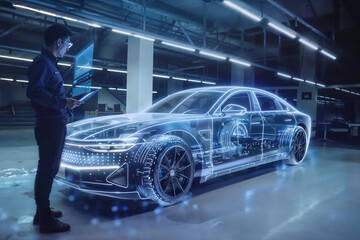
Autonomous cars are one of the most exciting advancements in the automotive industry. By eliminating the need for human intervention, these self-driving vehicles offer a new level of convenience, safety, and efficiency. The integration of artificial intelligence, machine learning, and advanced sensors allows these cars to navigate complex environments autonomously. As they evolve, Autonomous Cars promise to reshape how we travel, reduce traffic accidents, and improve overall road safety.
How Autonomous Cars Enhance Safety on the Roads
One of the primary advantages of autonomous cars is the potential for significantly improving road safety. With autonomous driving systems relying on sophisticated sensors, cameras, and radar, the vehicle can continuously monitor its surroundings to avoid collisions. The elimination of human error, such as distracted driving or impaired judgment, can drastically reduce the number of traffic accidents and fatalities. Autonomous cars are designed to make real-time decisions based on data, creating a safer driving experience for everyone on the road.
The Impact of Autonomous Cars on Traffic Efficiency
Autonomous vehicles are poised to revolutionize traffic flow and efficiency. These cars can communicate with each other and traffic infrastructure, allowing for coordinated movement that reduces congestion and optimizes traffic patterns. By utilizing algorithms to predict traffic flow, autonomous cars can adapt their speed and positioning to minimize delays. This would lead to smoother commutes, less idling, and a more efficient use of roadways. The prospect of reduced traffic congestion could also contribute to lower emissions and better fuel efficiency for vehicles.
The Role of Artificial Intelligence in Autonomous Car Technology
At the core of autonomous cars is artificial intelligence (AI), which enables the vehicle to make intelligent decisions. AI systems allow autonomous vehicles to process vast amounts of data from sensors, cameras, and GPS systems. This data is analyzed in real-time to understand the vehicle’s environment, recognize obstacles, and predict the behavior of other drivers. As AI continues to evolve, it will play a crucial role in enhancing the capabilities of autonomous cars, making them more accurate and reliable.
Autonomous Cars and Their Effect on the Job Market
The rise of autonomous cars is expected to bring significant changes to the job market, especially in industries related to transportation. While autonomous vehicles may reduce the need for traditional drivers in certain sectors like trucking and delivery, they also create new job opportunities in AI development, vehicle maintenance, and system monitoring. Additionally, autonomous vehicles could revolutionize ride-sharing services, creating a demand for fleet management professionals and customer support personnel.
Public Perception and Trust in Autonomous Cars
As autonomous cars begin to make their way onto public roads, trust and perception will be critical to their widespread adoption. Many people are still skeptical about the safety and reliability of self-driving technology, which poses a challenge for manufacturers. However, as the technology improves and more successful trials are conducted, public trust in autonomous cars is expected to grow. Educating consumers about the benefits and safety measures of autonomous vehicles will play a key role in overcoming these concerns.
Legal and Ethical Considerations in Autonomous Car Development
The development and deployment of autonomous cars also raise important legal and ethical questions. Who is responsible in the event of an accident involving an autonomous vehicle? How should autonomous vehicles make decisions in critical situations, such as avoiding pedestrians or cyclists? These ethical dilemmas are being addressed by lawmakers, ethicists, and technology developers. As the industry matures, regulations will likely be introduced to ensure that autonomous vehicles operate safely and ethically, balancing innovation with public safety.
The Environmental Impact of Autonomous Cars
One often overlooked benefit of autonomous cars is their potential positive impact on the environment. By improving driving patterns and optimizing routes, autonomous vehicles can reduce unnecessary fuel consumption and emissions. Autonomous cars could lead to a more efficient transportation system with fewer vehicles on the road. As the technology continues to develop, the combination of electric and autonomous vehicles could significantly reduce our dependence on fossil fuels and help address the ongoing environmental challenges caused by traditional vehicles.
Conclusion
The future of autonomous cars is filled with potential and promise. As technology continues to advance, these vehicles are likely to become a common sight on roads worldwide, offering greater safety, efficiency, and convenience. While there are still challenges to overcome, including public trust, legal frameworks, and infrastructure, the journey towards autonomous transportation is well underway. In the coming years, autonomous cars could redefine the very nature of driving and transportation.
